Boudoir Myths: What People Get Wrong About Boudoir Photography
Every week, someone tells me the reason they haven't booked a boudoir session yet, and almost every reason traces back to something they heard secondhand, not something they actually know to be true. Boudoir carries a lot of baggage it doesn't deserve. Most of it comes from movies, a handful of Instagram accounts doing it badly, or one bad experience someone else had years ago that got passed around like fact.
So let's clear some of it out. Here's what's actually true, myth by myth.
Myth: You have to have a "boudoir body"
This is the one I hear most, and it's the one that stops women from booking longer than any other single thing.
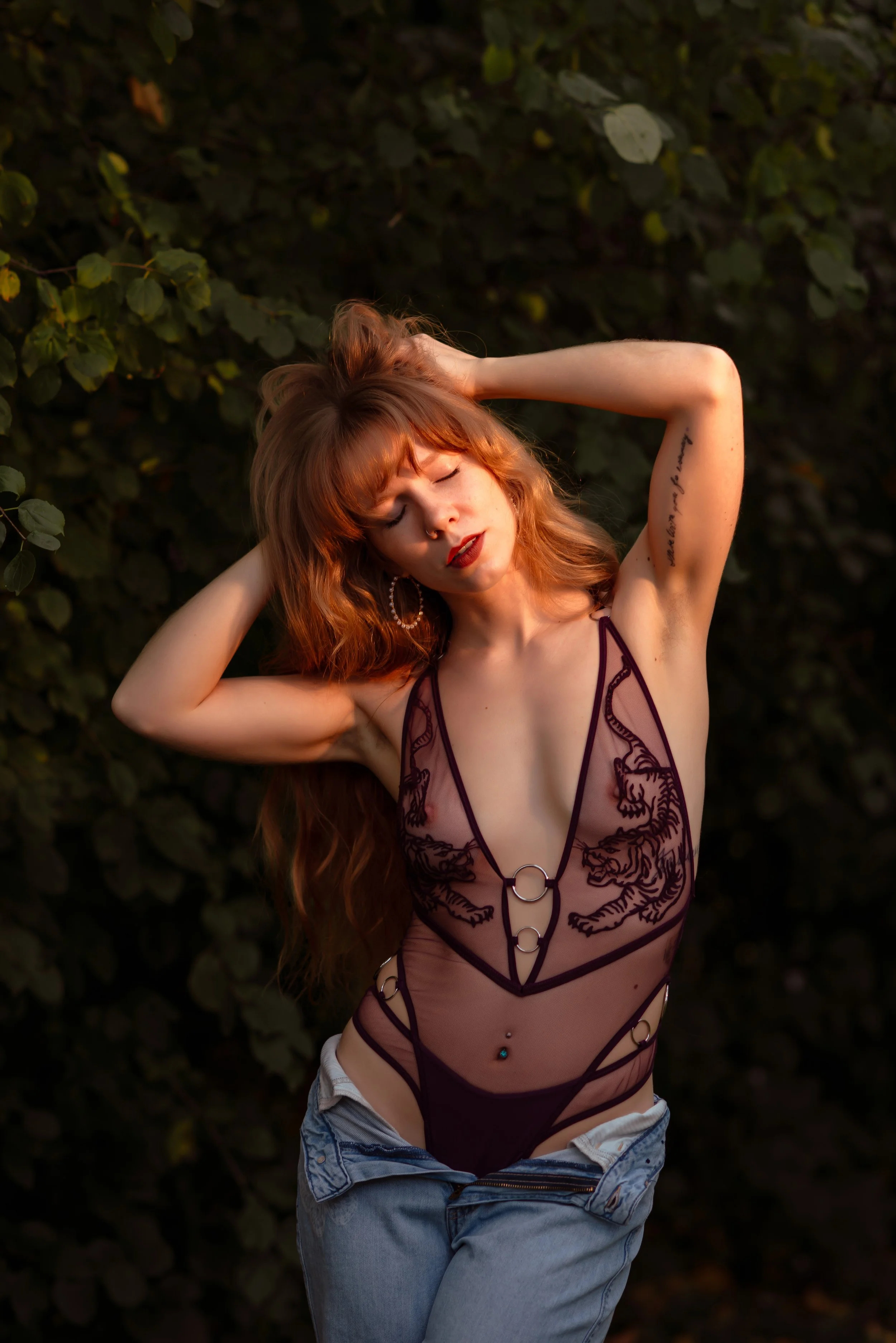
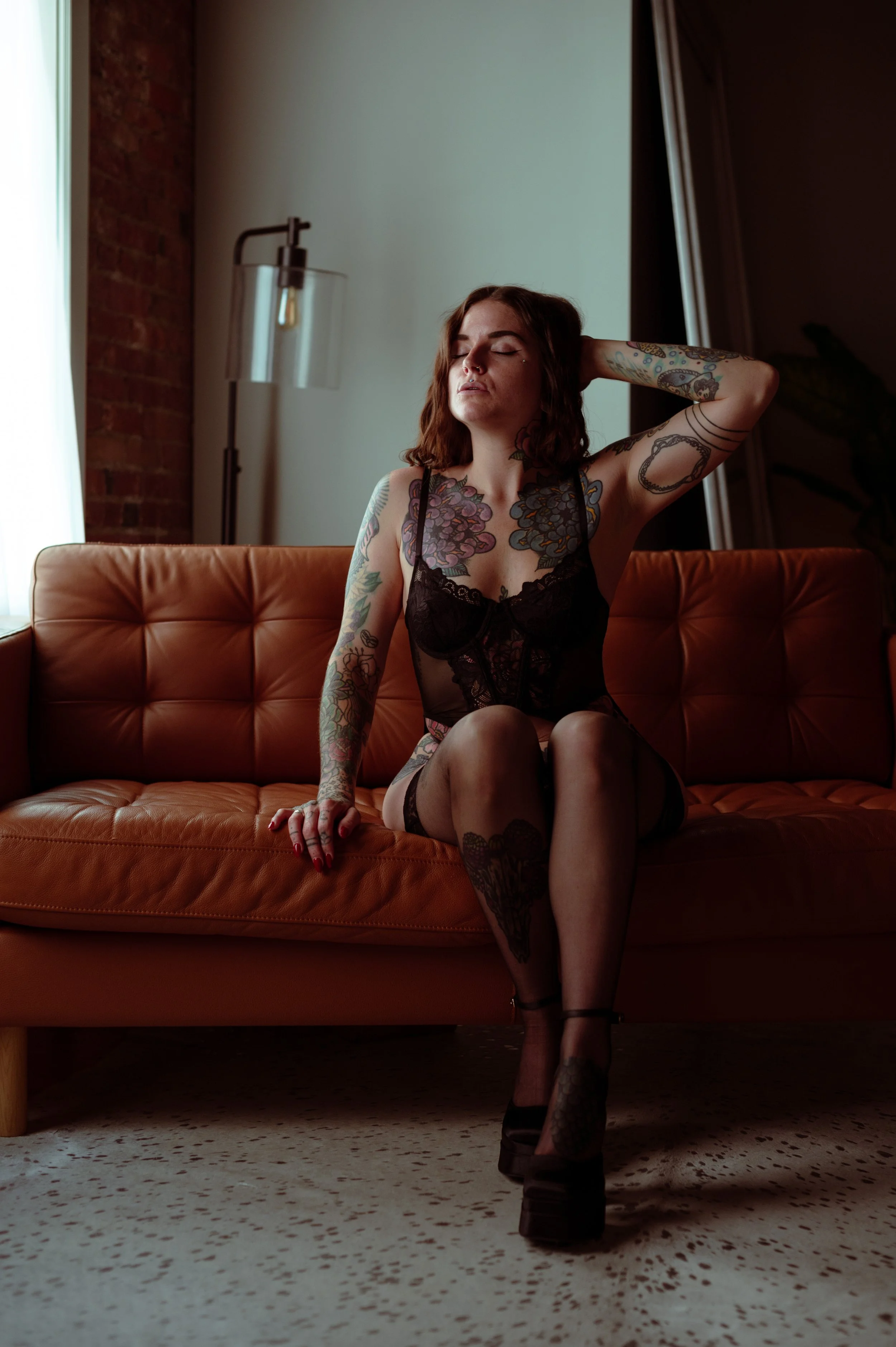
There's no body type that qualifies a woman for boudoir and no body type that disqualifies her. Every body photographs differently, and that's the entire point of directing a session properly: finding the angles, the light, and the poses that work for the person actually standing in front of the camera, not for some imagined ideal. Women in their twenties book sessions. Women in their sixties book sessions. Women who just had a baby, women recovering from illness, women who've spent years avoiding cameras entirely because they didn't like what they saw in photos. Every one of them walks out with images that hold up.
The body you have right now is the one that gets photographed. Waiting for a different one just delays something you're allowed to have today.
Myth: You need to be a model, or at least know how to pose
You don't. This one comes up constantly, and it makes sense why: most of us have exactly one reference point for "posing," which is standing awkwardly for a group photo and hoping for the best.
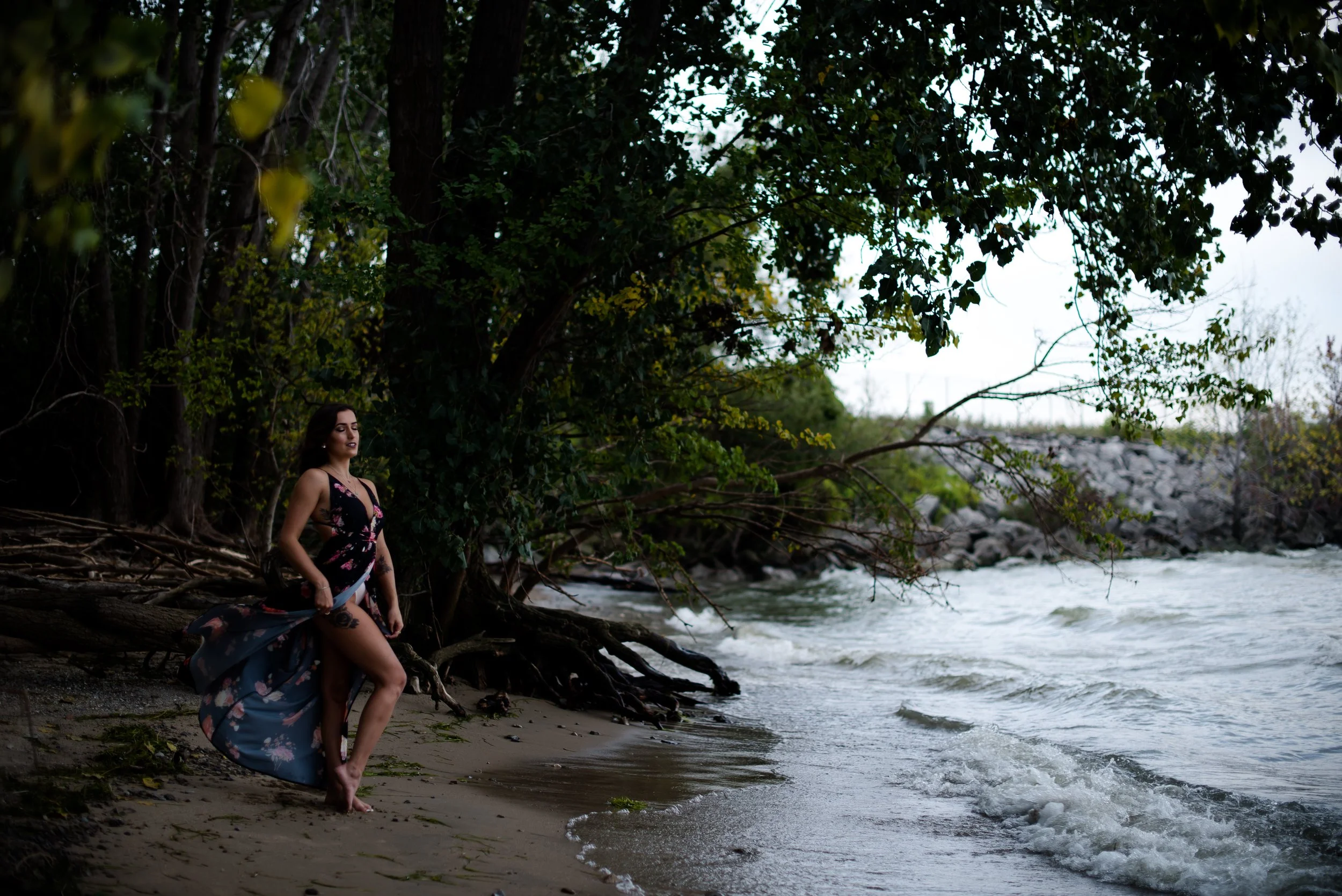
Boudoir doesn't work that way. Every pose gets built and directed step by step, hands, chin, shoulders, weight distribution, all of it. You're told exactly where to look and exactly how to move. Some of the best images from a session come from small physical adjustments a client would never have thought to make on her own: a slight turn of the hip, a lowered chin, a shift in where the eyes land. That's craft on the photographer's side, not a skill you're expected to walk in with.
Myth: Boudoir is only for women in relationships, or only makes sense as a gift for a partner
A lot of boudoir marketing leans hard into the "gift for your husband" angle, and that's genuinely a great reason to book a session. It's also not the only reason, and it's not even the most common one anymore.
Plenty of clients are single. Plenty are booking purely for themselves, as a marker of a specific chapter: a birthday, a breakup, the end of a hard year, a return to their own body after motherhood or illness, or sometimes no occasion at all beyond wanting to see themselves differently for once. Relationship status has nothing to do with whether the experience holds meaning. The photos aren't really made for anyone else's eyes first. They're made for yours.
Myth: It's basically the same as a lingerie photo shoot on your phone
A phone photo captures what's in front of the lens. A directed session builds something the camera can't get on its own: professional lighting shaped specifically for skin and form, posing that flatters rather than flattens, and an eye trained to catch the exact second an expression shifts from posed to real. That gap shows up immediately in the final images, and it's usually the thing that surprises clients most at their reveal appointment. They expected nice pictures. What they got looked like a different version of themselves entirely, one they recognized but had never actually seen captured before.
Myth: You'll feel exposed or uncomfortable the whole time
Almost everyone walks in nervous. That's normal, expected, and honestly a good sign, since it usually means the session matters to them. What surprises most clients is how quickly that nervousness fades once hair and makeup starts and the actual shooting begins. A well-run session moves at a pace that gives you room to settle in, with constant direction so you're never standing there wondering what to do next. Discomfort tends to live in uncertainty. Take the uncertainty out, and most of the nerves go with it.
Myth: The photos will look fake or overly edited
Editing plays a role, the same way it does in any professional portrait work: smoothing out skin texture, adjusting light, cleaning up small distractions. What it doesn't do is turn you into someone else. The goal from the first pose to the final edit is capturing something true about you, not manufacturing a version of you that doesn't exist. Clients regularly say the final images look more like themselves than their own selfies do, not less.
Myth: This is something you do once you've already reached your goal weight, finished a transformation, or "earned" it somehow
This might be the most damaging myth on the list, because it's the one that convinces women to keep pushing the whole idea further down the road. Boudoir isn't a reward that comes after the work of feeling good about yourself is finished. For a lot of women, it's the thing that actually starts that work. The shift in how you see yourself tends to happen during and after the session, not before it. Waiting for readiness usually means waiting for something that shows up in the studio, not before you ever walk through the door.
The one thing that's actually true
If any of this has been the thing holding you back, it's worth knowing that almost every client who books a session says some version of the same thing afterward: they wish they'd done it sooner.
Curious what a session with Becoming Fire actually looks like, start to finish? [Read the full guide here.]
Becoming Fire Boudoir — Michigan Boudoir Photography Serving Metro Detroit and surrounding Michigan areas